
Battery & power.
Engineered for
wearable heat.
J ONE integrates battery power, heating materials and control interfaces into heated gloves, socks, apparel and footwear. The system is designed around the product—not the other way around.
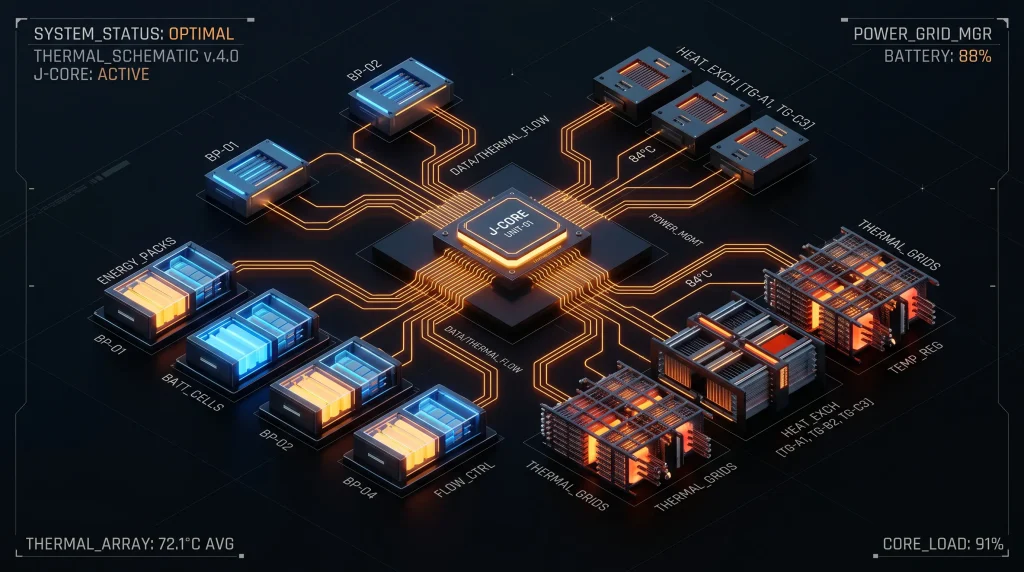
Not just a battery.
A heating architecture.
Power, control and heating coverage interact. A battery pack cannot be selected independently of element resistance, heat level, garment insulation and the way the product will be used.
WEARABLE HEATING SYSTEM?
A wearable heating system converts electrical energy into heat through elements integrated into textiles. Its battery, control electronics and heating layout work together to deliver active warmth. Passive insulation, chemical heat packs and external heaters are outside this system definition.
-
01
Core layer
Resistive heating elements and an electrical power source form the active heating core. J ONE’s standard heated-glove platform uses a rechargeable lithium-ion battery system.
-
02
Control layer
The interface selects a heat level or target. Open-loop level control and feedback-based temperature regulation are different designs; not every heated product is closed-loop.
-
03
Safety layer
Battery management, charging compatibility and thermal protection need to be evaluated together. Low voltage alone does not prove a wearable product is safe.
-
04
Distribution layer
Heating-zone placement and the garment’s textile structure determine where energy becomes useful warmth while preserving movement and fit.
Choose the architecture.
Then size the battery.
J ONE’s published standard heated-glove platform is 7.4V with 2200mAh and 3000mAh options; some heated-apparel configurations use a 7.4V 5000mAh pack. The 5V system on this page is a technical overview, not a statement that every product is available on either platform.
| Architecture | Published role | What to confirm |
|---|---|---|
| 5V USB | USB-based heating architectureShown in J ONE’s power-system overview. | Product eligibility, actual power demand, compatible input and the required heating coverage. |
| 7.4V battery | Standard heated-glove platform2200mAh / 3000mAh options are listed in the manufacturing specification; 5000mAh is used in some heated-apparel configurations. | Battery option, connector, operating conditions and runtime for the selected glove model. |
| Smart battery | Integration-focused designPresented on this page as a power and connectivity concept. | Actual input/output ratings, electronics, interface and production configuration. |
| Solid-state | Development directionPresented as a future energy-storage topic. | Availability, validation status and feasibility. Do not assume it is a standard supplied option. |
| Parameter | 2200mAh option | 3000mAh option | 5000mAh option |
|---|---|---|---|
| Platform voltage | 7.4V | 7.4V | 7.4V |
| Capacity | 2200mAh | 3000mAh | 5000mAh |
| Energy | 16.28Wh | 22.2Wh | 37.0Wh |
| Cell type | Lithium polymer | Lithium polymer | Lithium polymer |
Specification source: J ONE Manufacturing Facts. The current manufacturer page also states that 3.7V heated-glove designs are not supported. Energy values are calculated from capacity × 7.4V nominal voltage. The 5000mAh option is used in some heated-apparel configurations.
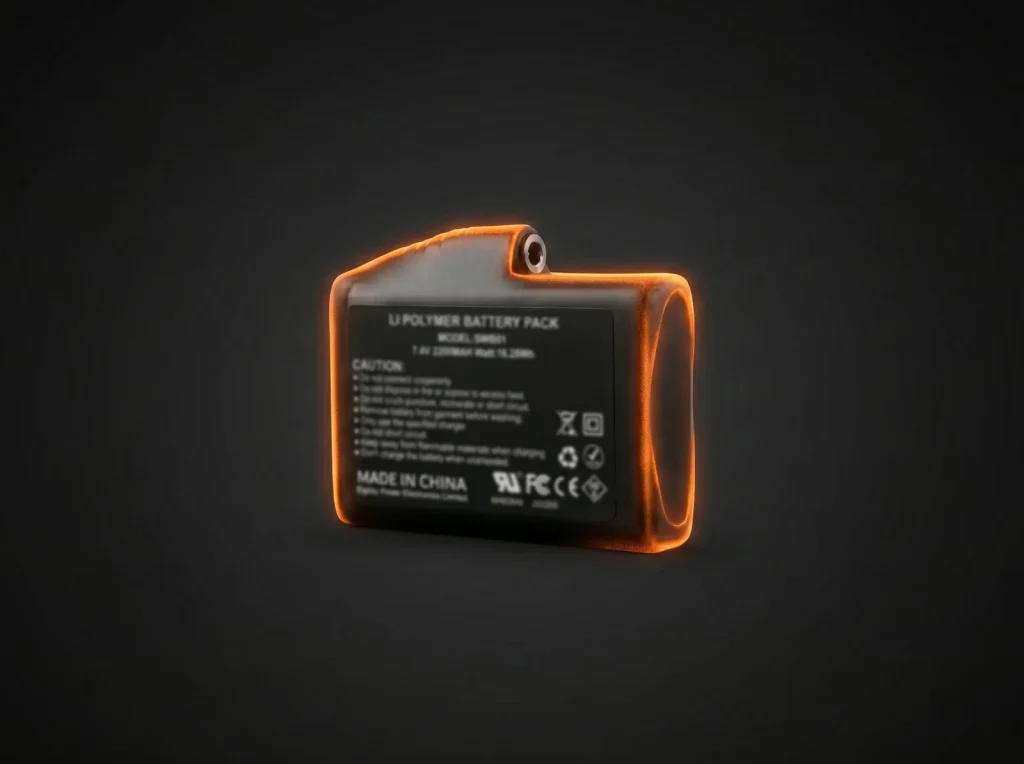
7.4V battery.
Defined options,
product-specific runtime.
For a glove project, start with the heating area and expected use—not a promised number of hours. Capacity is one input; temperature setting, insulation and ambient conditions change the result.
Higher voltage does not automatically mean better heating. Compare the complete system: electrical load, battery energy, temperature control, comfort and weight.
A runtime number is meaningful only when the battery configuration, heat setting and test conditions are stated alongside it. No new runtime promise is introduced here.
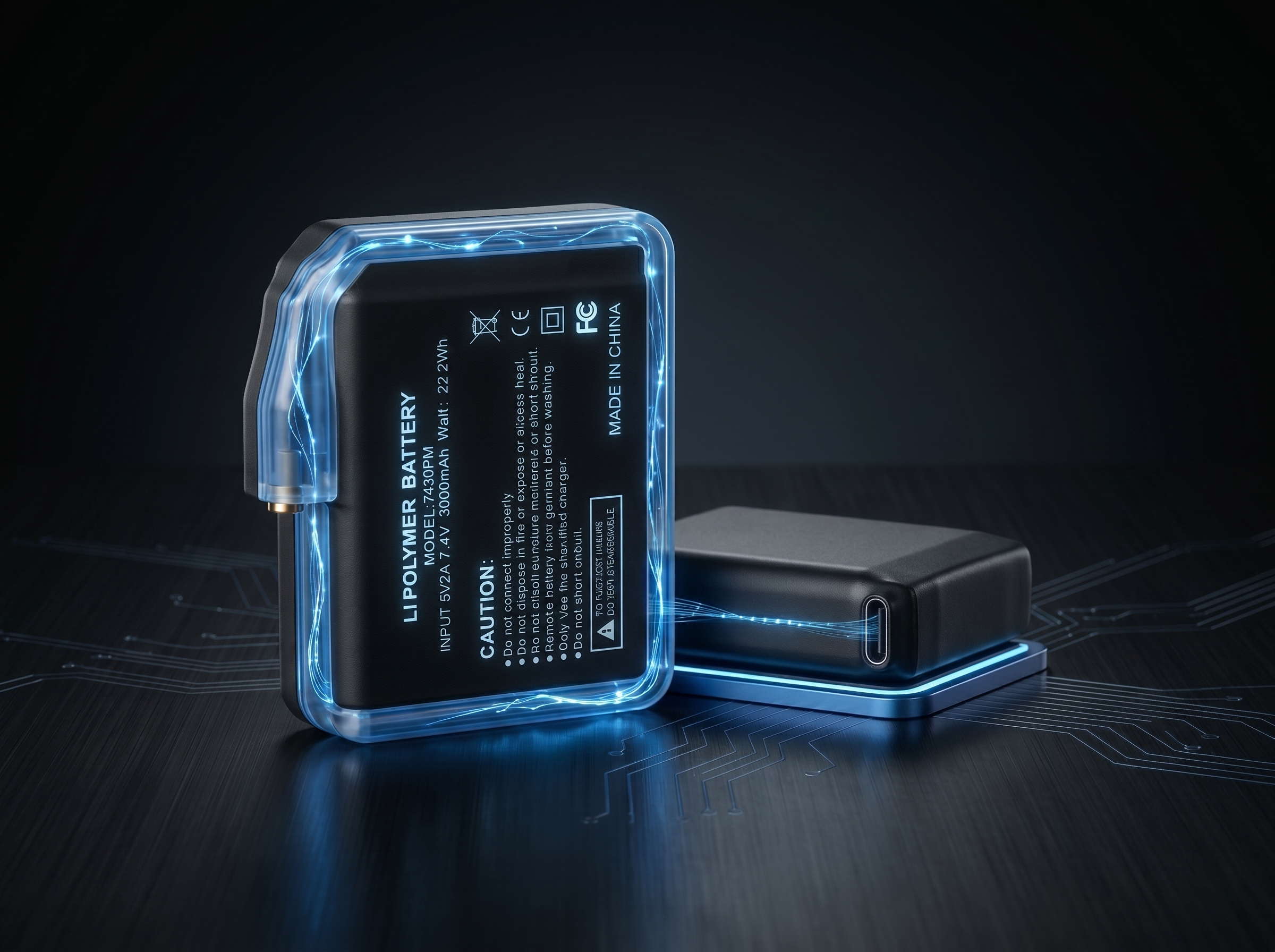
Smart power means
matching the whole system.
The battery interface, charging path and wearable electronics must be compatible. A connector that looks like USB-C does not establish its charging protocol or prove that a device is compatible.
Confirm input voltage, charge current, output requirements, pack protection and connector design for the production configuration. Link each approved pack to the correct wearable model.
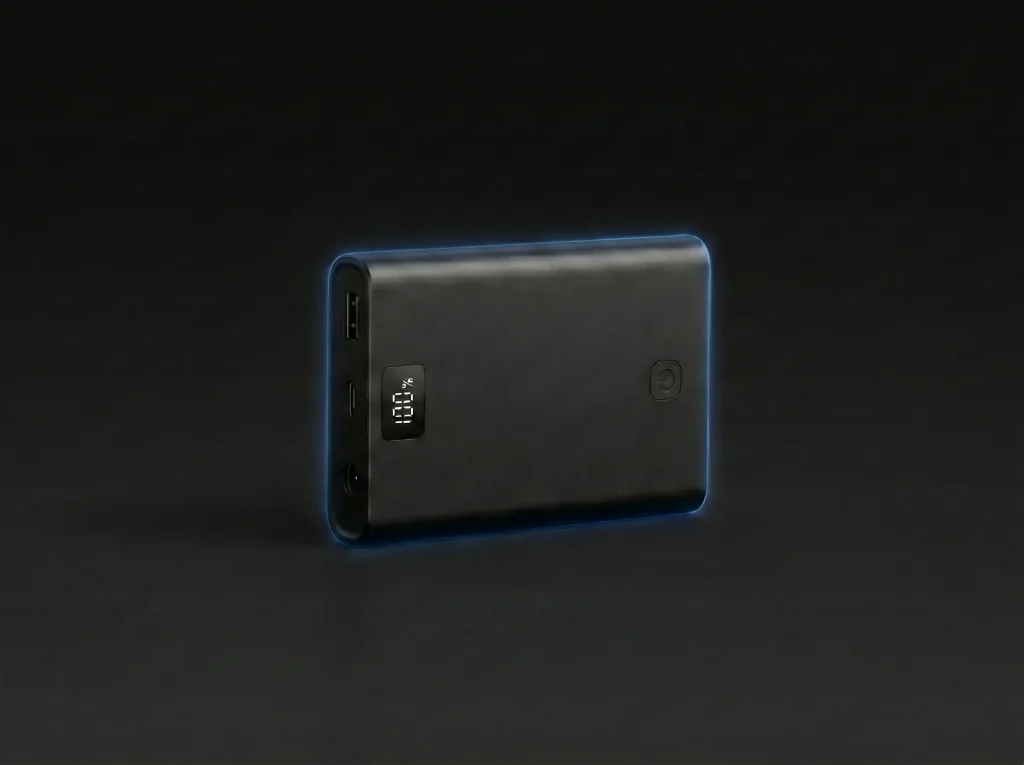
5V USB ecosystem
Retained as part of the power-architecture overview. Check compatibility with the intended product before treating it as an orderable option.
Solid-state energy storage
The existing page discusses solid-state batteries as a future direction. This proposal keeps that topic separate from the standard 7.4V product offering; commercial readiness needs confirmation.
The interface chooses heat.
The logic regulates it.
A button, an app and a sensor are input methods. Manual levels, thermostat regulation, PID and adaptive control describe how output is managed. These are not interchangeable terms.
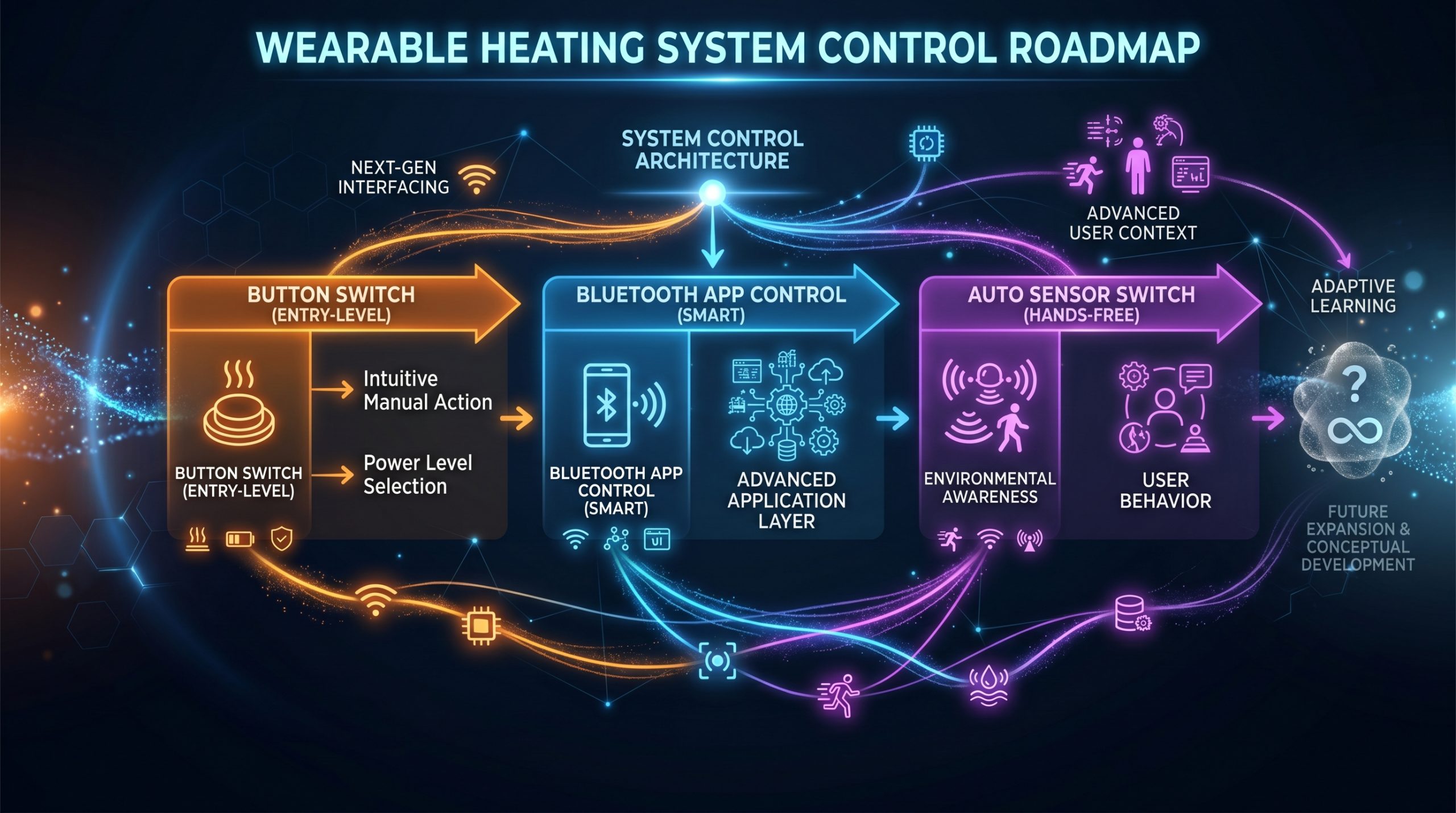
Direct heat-level selection
A physical switch lets the wearer choose a setting. Verify the available levels, feedback indicators and thermal limits for the model.
Remote interface integration
App connectivity changes how a command reaches the system. Confirm communications, firmware scope and the final supported functions.
Temperature-aware regulation
Thermostat, PID or adaptive logic requires an appropriate sensor and control design. Availability depends on the project and validation.
Dual-sided.
Three defined hand zones.
J ONE’s dual-sided three-zone glove design covers the fingers, back of hand and palm. It describes heating coverage—not three independently controlled channels, and not a medical treatment claim.
-
01
Fingers
Heating layout extends into the fingers while the textile and routing need to preserve movement and avoid pressure points.
-
02
Back of hand
A distinct zone on the outer surface of the glove. Its design must be considered alongside wind exposure, insulation and available power.
-
03
Palm
Direct palm-side coverage adds a heating surface. Placement must account for grip, contact with objects, flexibility and wear.
Material choice is
a system decision.
Carbon fiber, composite fiber, carbon nano and graphene are presented on the existing J ONE page. The material name alone does not establish temperature, efficiency, durability or response time.
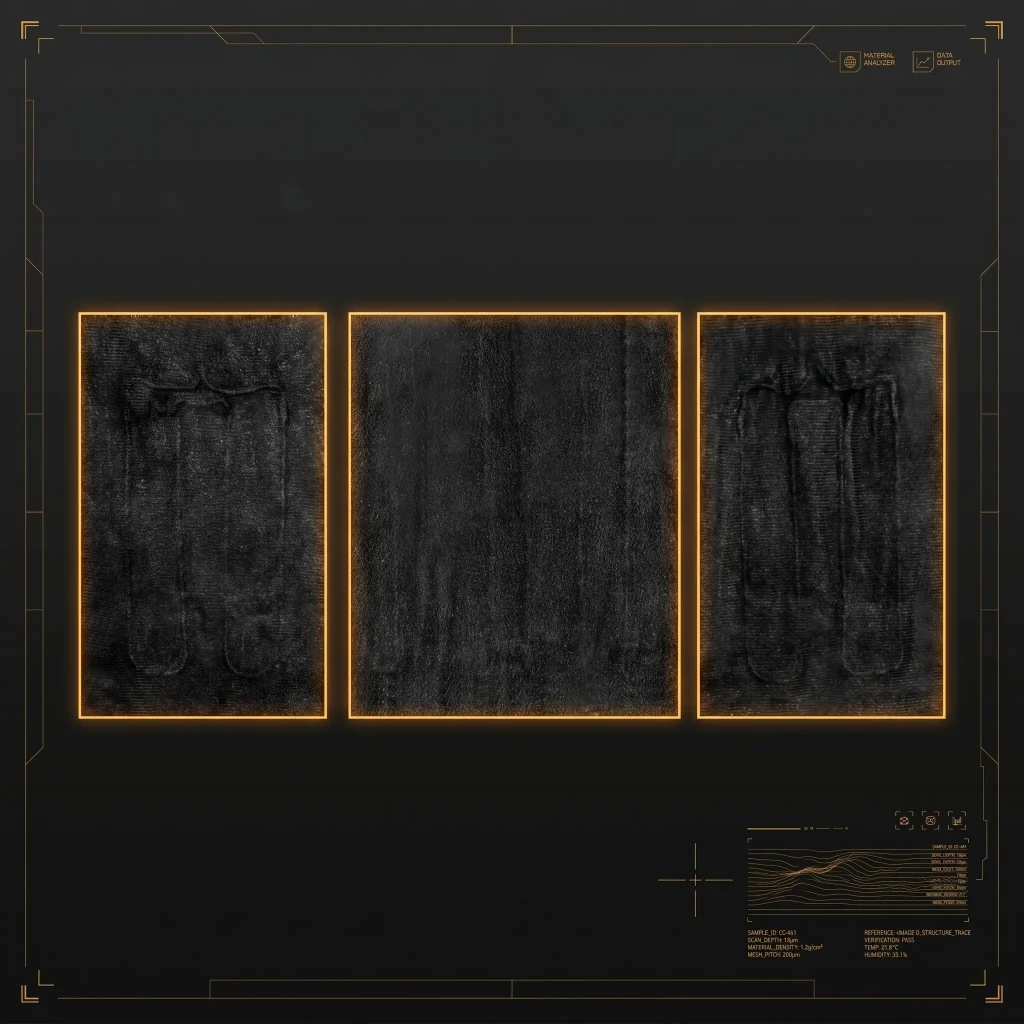
Carbon fiber
Presented as an option for heating integration and core warmth. Specify element geometry, resistance, textile layers and the intended heating area.
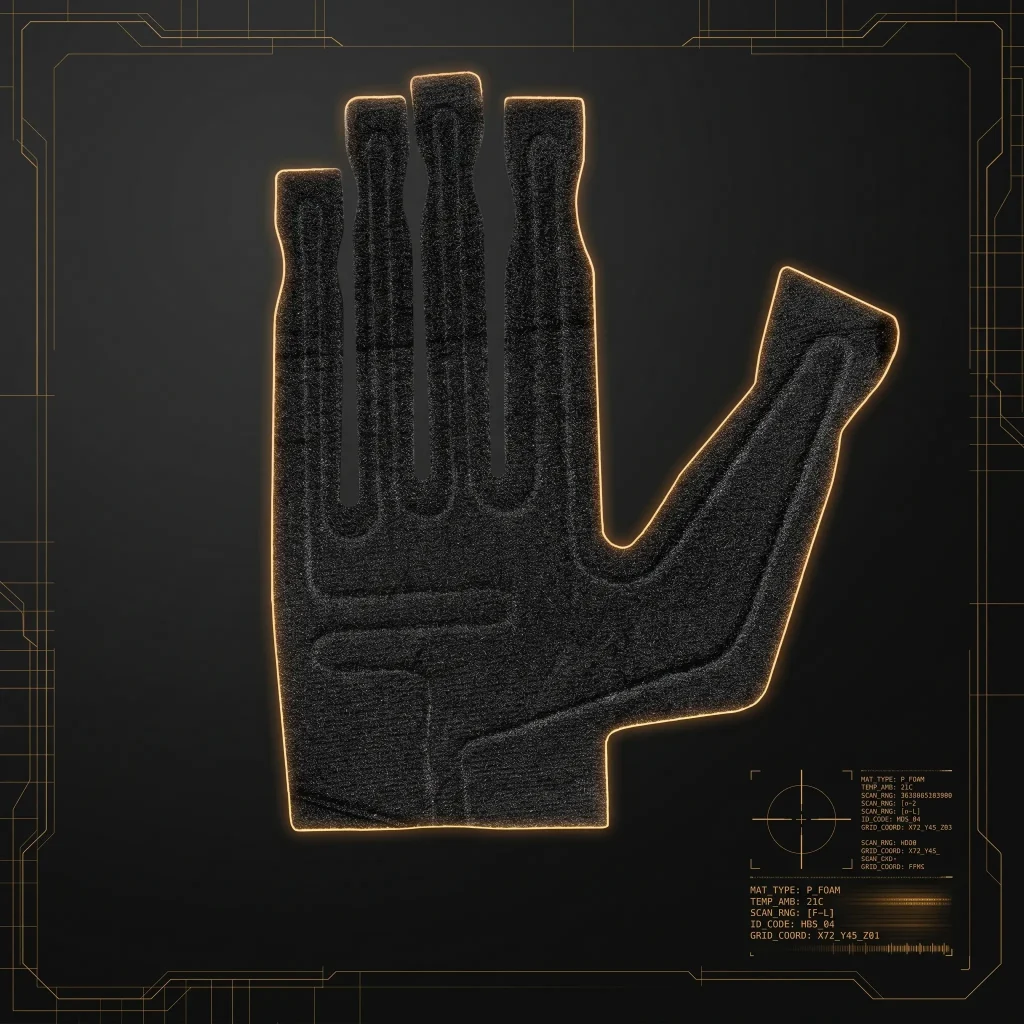
Composite fiber
Presented with a flexibility and durability focus. The product’s bending zones, electrical connections and mechanical construction must be evaluated together.
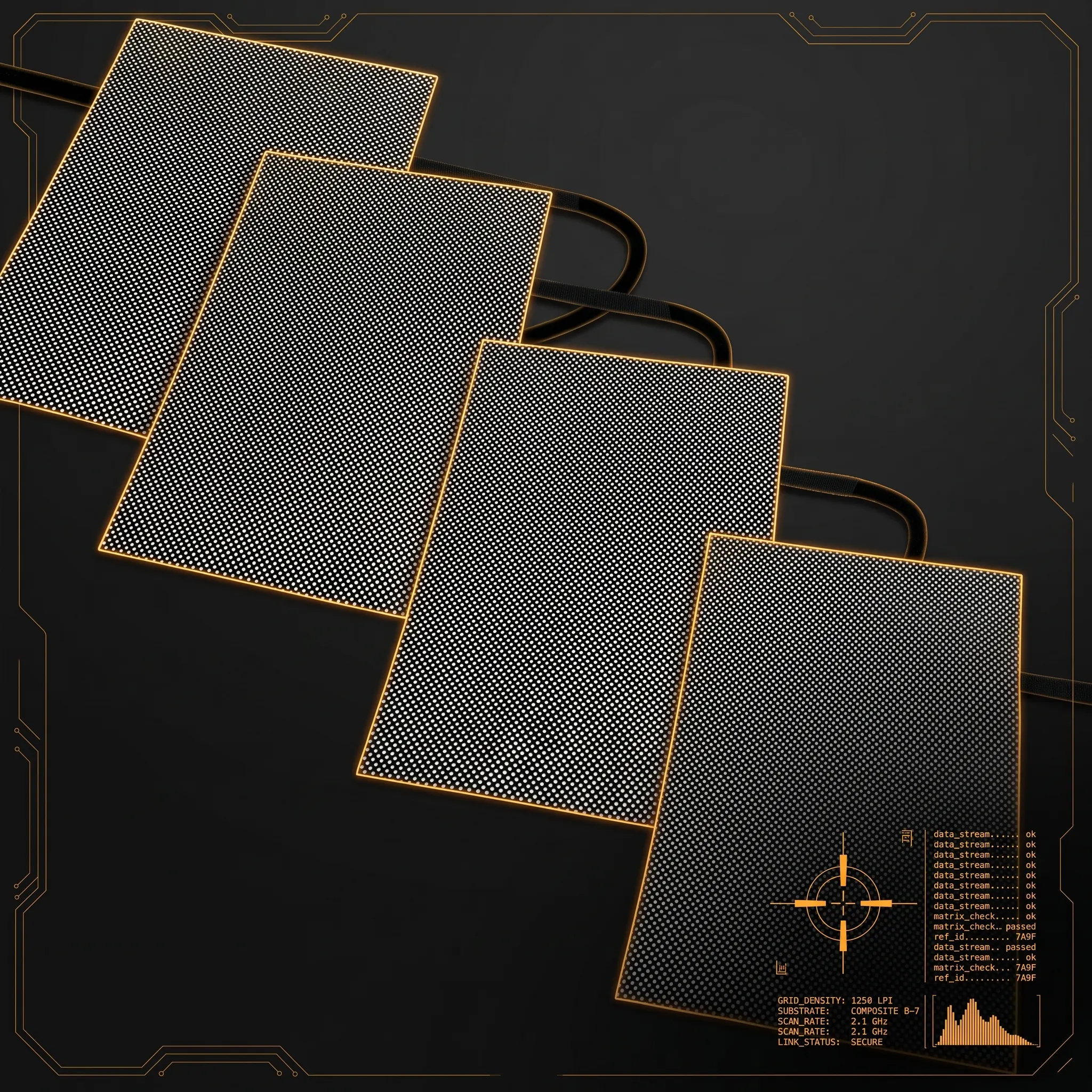
Carbon nano
Presented with a fast-response design focus. Response depends on the element, input power, control logic and textile stack.
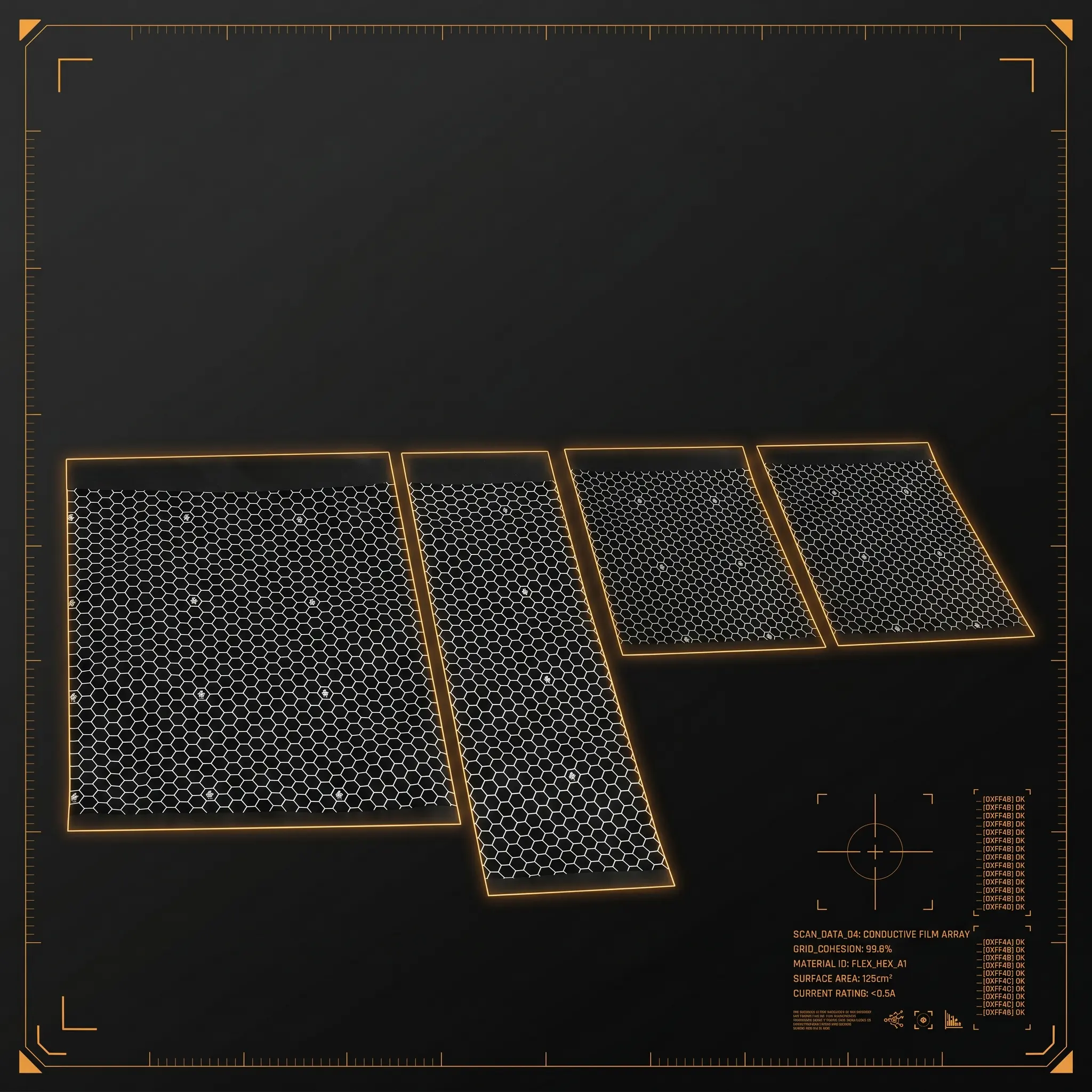
Graphene
Presented for thin-format planar heating concepts. Thickness and thermal distribution have to be confirmed for the final material and product configuration.
All four original material images are preserved. Decorative labels or glowing boundaries in illustrations are not test data. Learn about element placement and flexibility ↗
Bring the requirements.
Build a defined system.
The most useful inquiry is not “How many hours does it last?” It identifies the intended product, heating coverage, environment and power constraints so that a comparable configuration can be evaluated.
-
01
Product & use environment
Glove, sock, apparel or footwear; expected outdoor conditions; movement and insulation requirements.
-
02
Heating coverage & control
Required zones, physical switch or app interface, heat settings and any feedback-control requirements.
-
03
Power & charging constraints
Battery voltage and energy target, acceptable pack size/weight, connector and charging needs.
-
04
Quantity, market & customization
Target quantity, destination market, branding, materials and packaging scope. Discuss MOQ and sampling for the actual configuration.
| Item | Confirmed value |
|---|---|
| MOQ | 500 |
| Sample lead time | 12 working days |
| Production lead time | 40 days |
| Customizable | Battery / Interface / Enclosure / LOGO / Color / Packaging |
| Compliance documents | CE / RoHS / FCC / UN38.3 / MSDS / UL |
Clear answers.
Defined boundaries.
Each answer includes enough context to be understood on its own. Specifications and limits stay alongside the claim, instead of being hidden in a separate disclaimer.
What battery platform does J ONE use for heated gloves?
J ONE’s published standard heated-glove platform is 7.4V, with 2200mAh and 3000mAh options; some heated-apparel configurations use a 5000mAh pack. The manufacturer specification states that 3.7V heated-glove designs are not supported. Confirm the capacity, connector and runtime for the particular model.
Does 7.4V always perform better than 5V?
No. Voltage alone does not determine warmth, runtime or safety. Compare the complete design: load, battery energy, control strategy, insulation and heating coverage. J ONE’s 5V section is a technical overview; its standard heated-glove offering is specified separately at 7.4V.
What does dual-sided three-zone heating mean?
For J ONE gloves, it means heating coverage across the fingers, back of hand and palm, spanning both glove surfaces. It does not by itself mean independent temperature control of each zone. See JHG43 and JHG44 for product-specific implementations.
How should heated-glove battery runtime be compared?
Compare runtime only when battery capacity, heat setting and test conditions are stated. Garment insulation, heating area and ambient conditions affect the result. A general “several hours” claim is not enough to establish a comparable performance specification.
Are all control-roadmap features standard supplied functions?
No standard availability is implied by a roadmap illustration. Confirm button/app functions, firmware, sensors and the regulation method for the project. Solid-state batteries and adaptive-control concepts must be distinguished from a validated production configuration.
What should an OEM / ODM inquiry include?
Include the product category, usage conditions, desired coverage, control interface, power constraints, quantity and destination market. J ONE can then discuss a defined configuration. MOQ, development schedule and compliance documents should be confirmed for that project, rather than assumed from a general capability page.
Company identity, Guizhou/Henan production bases and published standard glove battery options.
Product-level implementation of the fingers/back/palm heating-coverage architecture.
Continue into heating coverage, battery behavior and temperature-control topics.
Content basis: J ONE’s published manufacturing and product information, plus existing technology-page images. This is an editorial design proposal—not an independent laboratory validation or a prediction of AI citation performance.
Your next wearable.
One considered
heating system.
Define the application. Choose the heating layout. Confirm power and control requirements with J ONE before moving into product development.
POWER CONSTRAINTS · QUANTITY · TARGET MARKET