Category Product Technology


J ONE Product Technology Overview

This page defines the System Layer of J ONE wearable heating technologies. It explains the core principles behind heating performance, structure, energy behavior, and fit constraints.

All heating products are developed based on this system architecture and are applied across different usage scenarios and product categories.


Related Products

Thermal system implementations based on the heating architecture:
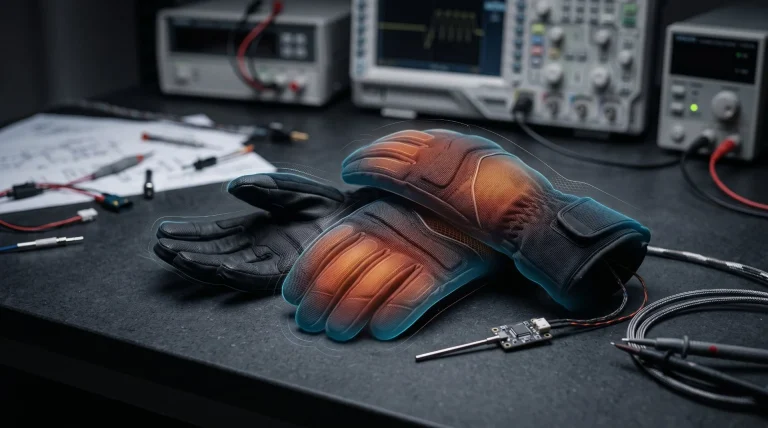
Heated Gloves,
Heated Socks,
Heated Clothing.

Designing Heated Wearables for Cold-Sensitive Hands: Constraints

Heated wearables designed for cold-sensitive hands require more than simply increasing heating power or adding insulation. Product design must address several factors simultaneously, including skin-contact surface temperature, sustained heat output, material durability, heating-zone placement, and electrical component selection. Cold-sensitive applications…

How Foot Temperature Affects Performance Control

Overview Foot temperature is a key physiological variable that directly influences movement control systems. It affects how fast and accurately the nervous system can coordinate lower-body actions. This page explains the mechanism layer of the J ONE system, connecting temperature…

Why Cold Feet Reduce Performance Readiness

Overview Cold feet in performance environments refer to temperature-related reductions in neuromuscular responsiveness, balance control, and movement readiness. Cold feet are often treated as a comfort issue, but in performance environments they represent a much deeper physiological problem. Foot temperature…

What Is an Ultra-Thin Heated Sock Liner System

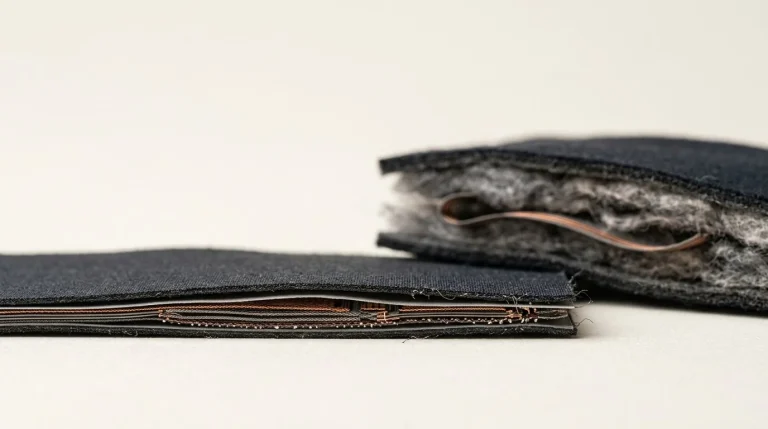
An ultra-thin heated sock liner system is a wearable thermal architecture designed for tight footwear environments where maintaining foot performance readiness is more important than simply increasing warmth. This system is designed for maintaining stable neuromuscular function and thermal balance…